
Eric Adams Spent His Last Day in Office Spiking Pro-Worker Bills; Will the NYC Council Override the Vetoes?
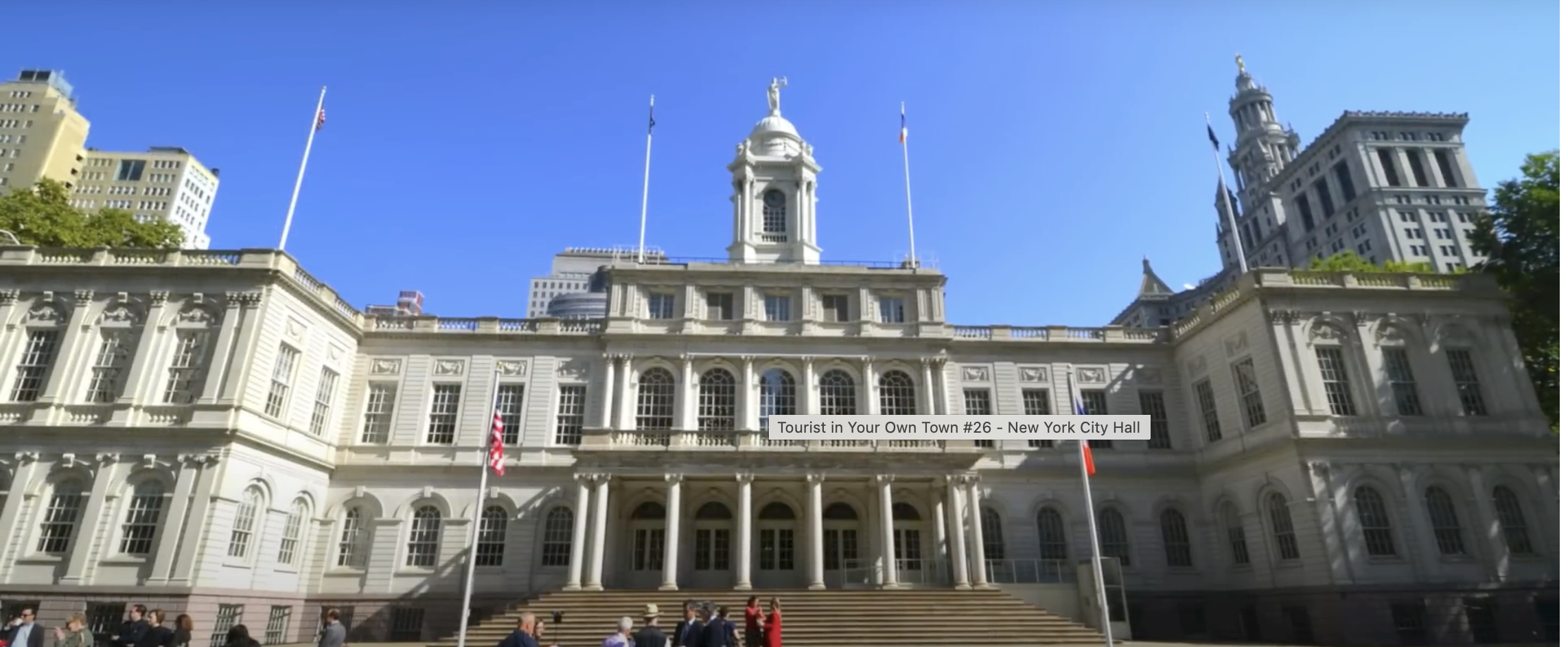
Former Mayor Eric Adams vetoed 19 bills on his last day in office Dec. 31, 2025.
By Steve Wishnia
New York City Councilmembers are mulling over how to override former mayor Eric Adams’ vetoes of 19 bills on his last day in office December 31. They included legislation to prohibit app-cab companies from firing drivers without good cause; to set a minimum wage for security guards; and to increase the number of licenses given to street vendors.
“With a new pro-worker Mayor and our city Council, we will override Adams’ veto of my bill to end wrongful firings of Uber and Lyft drivers,” Councilmember Shekar Krishnan (D-Queens) said in a statement posted on social media Dec. 31. “On his way out the door, Adams once again showed what he stands for: selling out our city to Donald Trump and now to big corporations.”
Adams stated that he vetoed the measures because they would undermine his goal of “lifting up working-class New Yorkers.” He said that raising the minimum wage for security guards would be illegal because it was higher than what the state permits, and that it would “place a burden on small businesses” and “reduce job opportunities for security guards.”
New York Taxi Workers Alliance head Bhairavi Desai responded that his veto of Krishnan’s bill was a “betrayal of the working class.”
“Eric Adams spent his final hours as Mayor vetoing protections for workers, including Intro 276, the strongest protections in the nation against unfair firings by Uber and Lyft,” she said in a statement. “Without these protections, drivers are given no notice, independent appeal, or just-cause reasoning for deactivations—while left in debt, often with over $80,000 in car loans and $6,000 per year for car insurance.”
“It is wrong to let a software algorithm decide when to fire a worker, and it should be illegal,” the city Department of Consumer and Worker Protection, which handles wage-theft complaints, said in a statement. “Vetoing this bill to allow apps to continue to do this is financially devastating for drivers.”
All three bills were passed by margins well over the 34 votes needed to override a veto. The Krishnan-sponsored app-cab bill passed by 40-7. The Aland Etienne Safety and Security Act, which would set an $18-an-hour minimum wage for security guards and require employers to give them paid time off and health benefits, passed by 41-7. The bill to increase the number of vendor licenses—by 2,200 a year for food vendors and by 10,500 next year for general vendors—was approved by 39-9.
The incoming Council has 30 days after it receives the veto messages—presumably at its first official stated meeting, scheduled for January 7—to override the vetoes.
Councilmember Julie Menin (D-Manhattan), the presumptive next City Council Speaker, was not available for comment on which vetoes it might try to override, or when it would hold votes. A Council spokesperson told Work-Bites that if it receives the vetoes on Jan. 7, it would have to vote at its second stated meeting in January or schedule a meeting during the first week of February in order to make the 30-day deadline.
Housing legislation vetoed
The 19 vetoed bills also included eight devoted to creating genuinely affordable housing. Intro 1443-A, sponsored by Councilmember Sandy Nurse (D-Brooklyn) and passed by 38-8 on Dec. 18, would require half of newly constructed rental units financed by the city to be affordable for very low-income households, and at least 30% for extremely low-income households. Those terms sound closer to poverty than they really are: The federal Department of Housing and Urban Development defines “very low income” as below $56,700 for a single person and $81,000 for a family of four—not much below the city’s median household income, which is estimated at about $79,000. HUD defines “extremely low income” as below $34,020 for a single person and $48,600 for a family of four.
The other housing bills vetoed included one to require a larger proportion of family-size apartments in new city-funded housing, and four to enable the city to create a land bank to acquire and manage vacant, abandoned, tax-delinquent, and foreclosed properties. It would need permission from the state to do that.
Adams also vetoed the Community Opportunity to Purchase Act, passed by 31-10 on Dec. 18. It would give qualified nonprofit organizations the right to make the first offer to purchase apartment buildings before the owner puts them on the open market, if the building is facing foreclosure for owing back taxes, has chronic hazardous conditions, or the city has found that the landlord is harassing tenants.
“We should be finding ways to improve the housing market, not creating unnecessary regulations burdening the purchase and sale of housing,” Adams said in his veto message.
Outgoing Council Speaker Adrienne Adams said in a statement Dec. 31 that it was “unsurprising” that the mayor was ending his term by putting “special interests above greater affordability and opportunity for hardworking New Yorkers, and public safety. In the face of housing that isn’t affordable enough, families leaving our city and losing their homes, the Council’s legislation ensures city resources will be used to create homes that are actually affordable and meet the needs of working families to remain here.”