
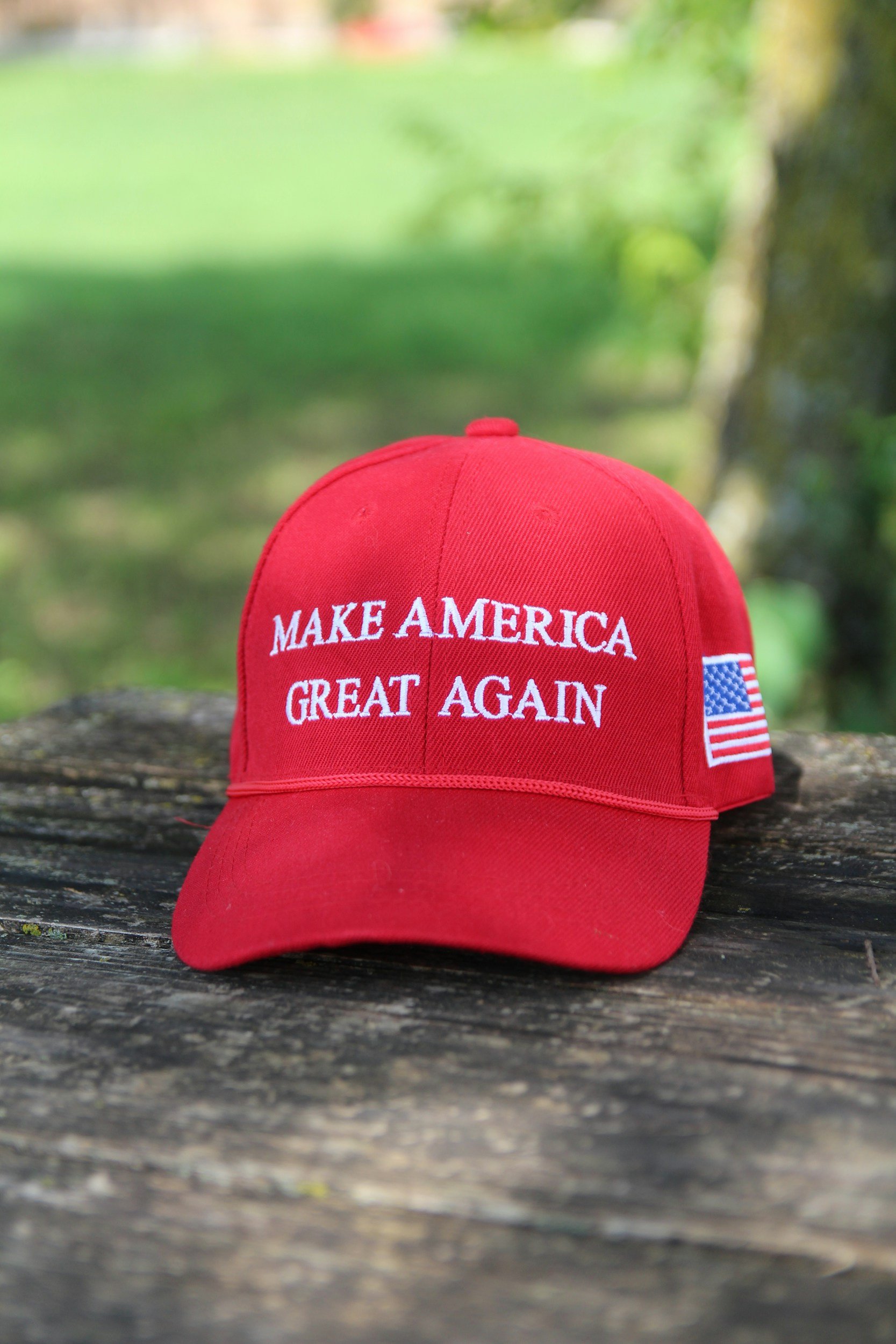
The Fighting MAGA/Fighting Racism event will take place on Wednesday, Dec. 3, at 6 p.m., at 1199SEIU, 498 Seventh Ave. (corner of W. 37th St.).
Editor’s Note: This story was revised to reflect the correct line-up of speakers scheduled to appear at tonight’s forum. They include CWA political director Hae-Lin Choi, Federal Unionists Network codirector Chris Dols, Dr. Alethia Jones, distinguished lecturer at the CUNY School of Labor Studies, and Nadine Williamson, Senior Executive V.P., 1199SEIU).
By Steve Wishnia
How can the labor movement harness widespread discontent to fight Trumpism and racism effectively? Four speakers will address that question on the evening of Dec. 3, in an event organized by 1199SEIU, the Communications Workers of America, the Federal Unionists Network, and the Left Labor Project.
Two of the four scheduled speakers, CWA political director Hae-Lin Choi and Federal Unionists Network codirector Chris Dols, both told Work-Bites that labor unions should lead the movement. (The other two are Dr. Alethia Jones, a distinguished lecturer at the CUNY School of Labor Studies, and Nadine Williamson, Senior Executive V.P., 1199SEIU).
“It’s important for unions to understand not only that we have to be part of the larger fight against authoritarianism, but we have to lead the fight,” says Choi. Labor did that in South Korea, Brazil, and Poland, three countries that recently voted to oust authoritarian governments, she notes.
“There’s no power in just speaking truth,” Dols says—but unions can exert power by stopping work.”
“There’s no power in just speaking truth,” Dols says—but unions can exert power by stopping work.
Most important to mobilize social forces, he believes, is presenting a clear, positive vision of what they stand for: for democratic rights, to fight the “dictatorship of the boss,” and for “a society where people who are powerless but work their asses off every day are respected.”
The Trump movement, Dols says, is an expression of racism and white-Christian nationalism that does not have majority support, but its greatest strength is that it holds state power. It gained that power because it “filled the void left by the collapse of liberalism.” Therefore, he argues, a movement against it has to go against the “rotten core” of the Clinton-Obama-Cuomo-Biden wing of the Democrats, which over the last few decades aided and abetted “the greatest concentration of wealth in our history,” ceding economic and political dominance to market forces while “meaningful working-class participation in politics” largely disappeared.
Democrats “can’t be the party of Goldman Sachs and the workers,” Hae-Lin Choi says.
The key thing for organizing, Dols contends, is mass participation to decide tactics, and “owning what we do” by going out in public.
The American left is growing, he says, but it needs to find “tactics that the largest percentage is comfortable with,” keeping militant principles while not separating people with “adventurism,” to get the largest number of people participating in resistance. Unions can initiate actions and “introduce members into the struggle.”
Reaching Trump supporters
At the CWA, Choi says, they’re up against a “sobering” situation: An estimated 40% of members voted for Trump three times. By 2024, she adds, “you can’t say that they didn’t know.”
“Really understanding where our members are is crucial,” she continues. The problem is finding a message that will get heard: If you tell Trump supporters that he’s anti-union, “they don’t even want to listen,” even if they care about the impact of his policies.
Racism is a huge factor, Choi adds, on both immigration and “wokeism.”
To some extent, she explains, the union relies on the triage used in initial organizing campaigns, where the “ones” are solid supporters, the “twos” swayable, and the “threes” “so anti-union they’ll never be yours.” They’ve had some success focusing on the policies rather than the man, on issues such as corruption, Medicaid cuts, and broadband expansion. For example, Choi says, Trump’s budget bill might have cost CWA members thousands of jobs by deleting a requirement that federal funds for expanded access to broadband Internet service had to go to employers with good labor records. Now, the vehemently antiunion Elon Musk’s Starlink service is getting a large share of federal broadband-infrastructure funds.
“There’s no easy, quick solution,” she says, but unions have to do the job of educating members. Unions are the only organizations who can reach into “these polarized areas” and have conversations to dig people out of the “completely different reality” of a far-right media diet—but educating them about how the rich use racism to divide people “requires a huge amount of work.”
Choi laments that though solidarity is a fundamental principle of unionism, they now have to start by appealing to members’ self-interest, because we “can’t expect that people care about other people’s health care.”
Pastor Martin Niemoller’s “First They Came” poem, a Holocaust-education cliché when she was growing up in Germany, is no longer one now, she says.
The Fighting MAGA/Fighting Racism event will take place on Wednesday, Dec. 3, at 6 p.m., at 1199SEIU, 498 Seventh Ave. (corner of W. 37th St.).