
New Yorkers in Danger of Falling into EMS Dispatcher ‘Abyss’, Council Member Warns
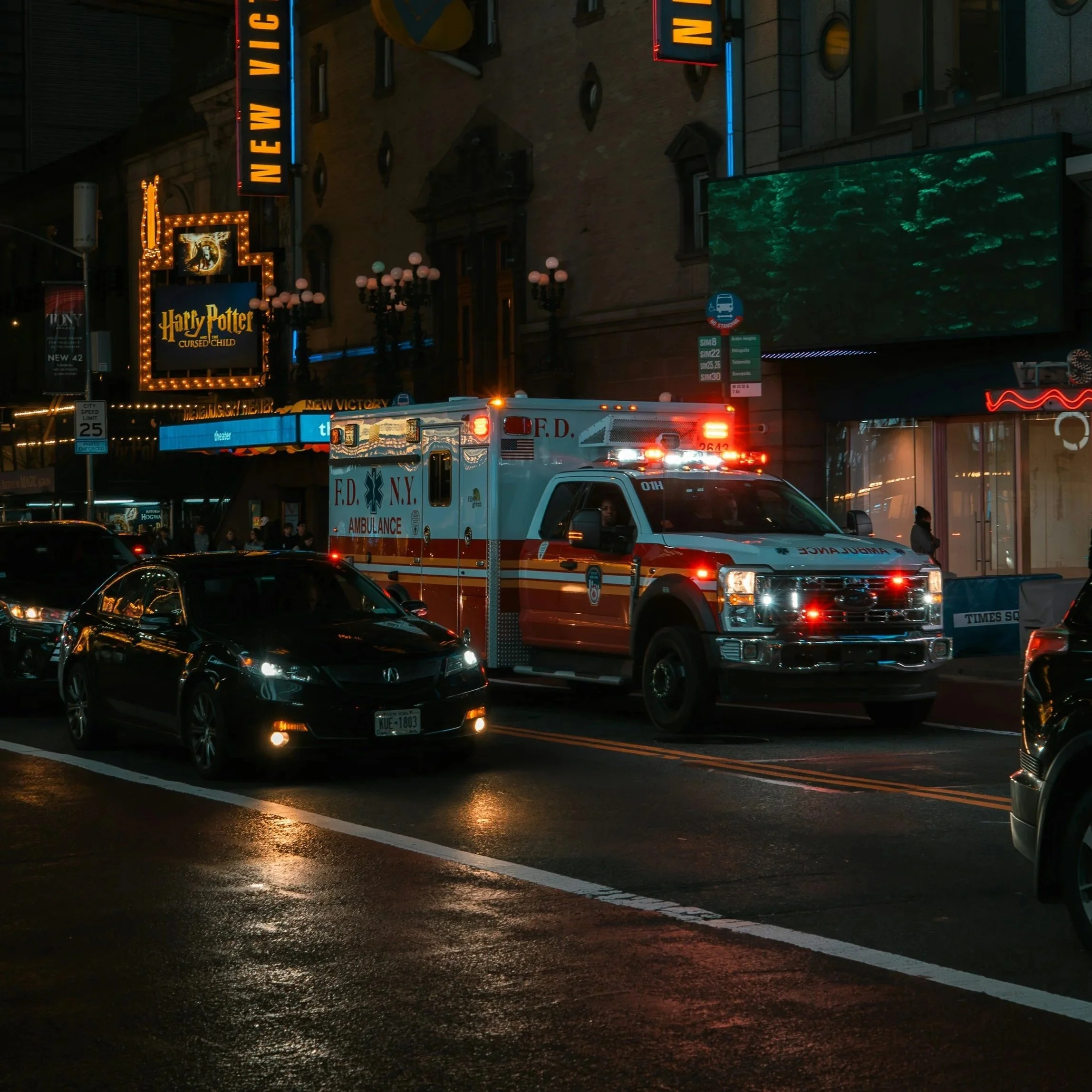
Fire and Emergency Management Committee Chair Joann Ariola is warning this week that the City of New York’s failure to pay FDNY EMS paramedics and EMTs a living wage has created a retention emergency that threatens the lives of every New Yorker.
By Joe Maniscalco
On Sept. 28, a 14-year-old student at St. Francis Preparatory School in Queens with a known heart condition waited so long for an FDNY EMS ambulance to arrive after suffering a medical emergency that his mother had to bundle him into a car and rush him to the hospital herself.
According to Council Member Joann Ariola [R-32nd District], Chair of the Committee on Fire and Emergency Management, that child was just one of many unfortunate New Yorkers who are too often being tossed into a dispatcher “abyss”—and face catastrophic consequences as a result simply because FDNY EMS doesn’t have enough people to keep the ambulances rolling.
And the reason the City of New York doesn’t have enough people to keep those ambulances rolling is because it refuses to pay them a living wage.
“The exact number I don’t have written down—but I can tell you we are below headcount by approximately 400 members,” Chief of EMS Operations Paul Miano testified at Wednesday’s Fire and Emergency Management Committee oversight hearing in Manhattan. “In regards to response times, that does mean fewer ambulances on the streets.”
New York City’s average response time to life threatening medical emergencies by EMS ambulance units now officially stands at 13:36.
The first call for help on Sept. 28 in Queens was made at 8:47 a.m. But EMS did not get to the scene until 9:37 a.m.—well after the boy’s desperate mother had already reportedly left for the hospital with her child.
While Miano acknowledged FDNY EMS’ diminished headcount, he touted the department’s 24-hour Central Resources Coordination Center and its ability to deploy ambulances “from areas that have a large amount of availability into areas that have reduced availability, so we can maintain our response times.”
The problem, he said during Wednesday's oversight hearing, which also included NYC Emergency Management Commissioner Christina Farrell and FDNY Assistant Chief of Fire Operations John Sarrocco, is that on the morning of Sept. 28, EMS was experiencing an unusual 100-plus call surge.
“We normally see around 179 calls per hour,” Miano told the Fire and Emergency Management Committee. “And during the hour that this assignment took place we had a call volume of 274 calls for service into 911. An ambulance was dispatched to this call. The ambulance was coming from a distance. They did arrive at the location, but they did arrive after the parents left to take the child to the hospital.”
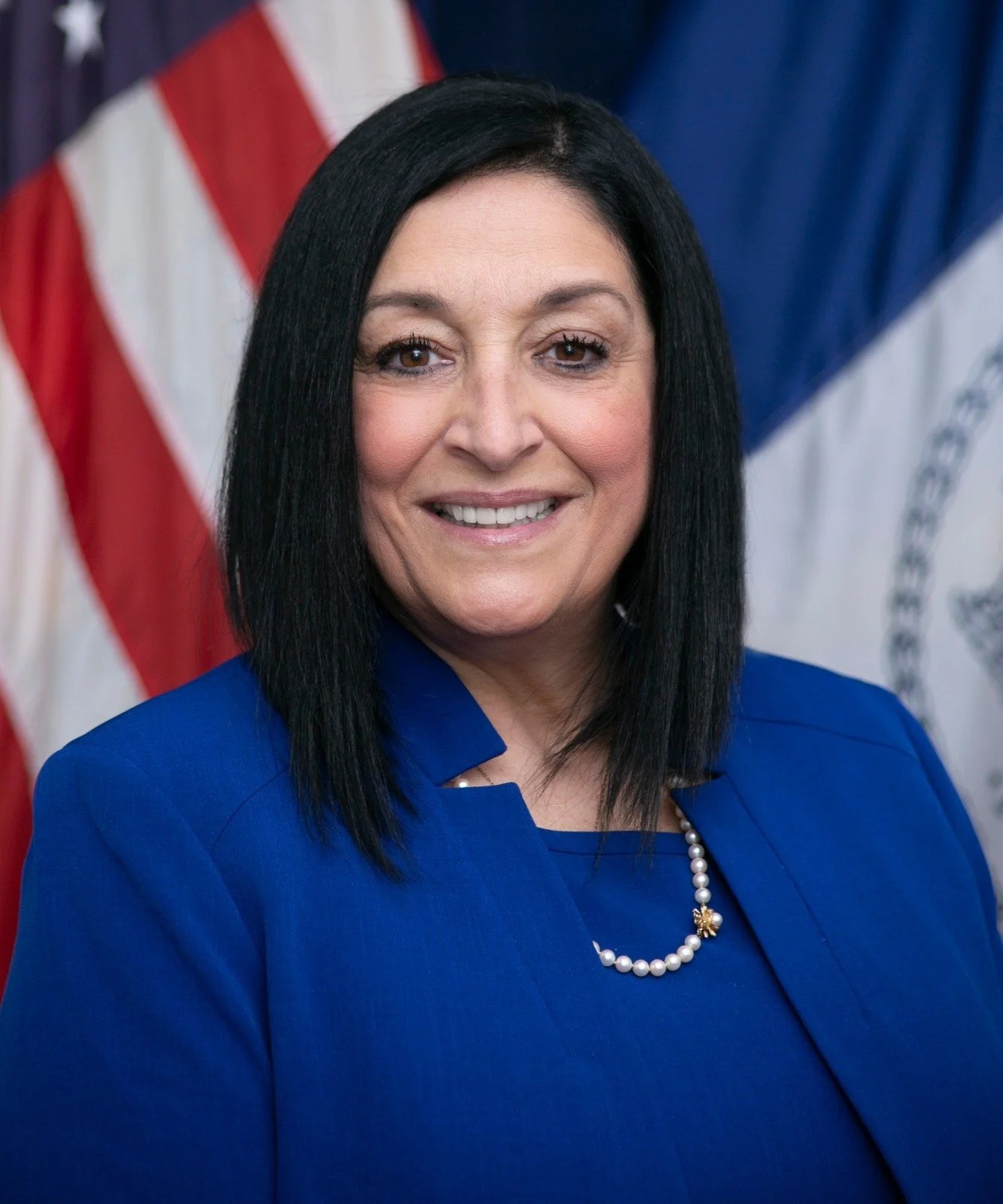
Fire and Emergency Management Committee Chair Joann Ariola. Official NYC Council Photo by William Alatriste
During further questioning, Miano said the call for help never actually got to an EMS dispatcher who could have properly triaged the severity of the medical emergency—and that the department presently has no system in place to advise distressed callers help will be delayed in arriving.
“Basically, what you’re saying is a child who was a cardiac patient showing signs of a stroke was put into a system as an ‘unknown’ condition. Is that how it went into the system?” Council Member Ariola pressed.
“That’s correct. That’s how it went into the system,” Miano said.
FDNY EMS paramedics and EMTs who together earn roughly between $59,000 to $86,000 annually after five years on the job—significantly less than both Police Officers and Firefighters—have been consistently sounding the alarm about the crisis facing the department and its beleaguered personnel.
The system experienced more trouble this past summer when EMS’ Bronx call center went down for seven hours on August 18.
Council Member Ariola referenced that outage, too, as well as the FDNY EMS’ citywide “dispatch abyss” that has left the parents of a 14-year-old boy sitting at an ICU bedside “hoping for the best for their child.”
“It’s not just this administration—going back decades this is happening. What I would like is for it to be fixed. But what I see is it’s consistently getting worse because we’re not really looking at what the problem is—which is a lack of retention for our EMS workers because they’re not getting paid enough to stay.”
“Even though it was searching, the computerized [EMS] system didn’t know the severity of what this child was going through,” Council Member Ariola said on Wednesday. “His parents had to put him into a car in critical condition because he was in the abyss. So far, we’ve done nothing to fix this issue. It’s not just this administration—going back decades this is happening. What I would like is for it to be fixed. But what I see is it’s consistently getting worse because we’re not really looking at what the problem is—which is a lack of retention for our EMS workers because they’re not getting paid enough to stay.”
Miano conceded that FDNY EMS has “an issue with retention” and “headcount,” but demurred when asked if he thought response times and EMS staffing constitute a state of emergency in New York.
“I can tell you that since Day 1 the Commissioner has hit the ground running and we have been trying to do our very best,” he said. “Our administration that we have in the Fire Department, our Commissioner, our First-Deputy Commissioner, our Chief of Department, myself—we care very much about EMS. A lot of us come from the background of EMS. We have familiarity with EMS, and we care. We do the job because we care about the citizens and the visitors to New York. We have been tirelessly making attempts to better the system, and we will continue doing that every single day.”
Council Member Ariola, meanwhile, acknowledged that Miano’s department is under duress, but stressed that it’s the City Council’s job to “make that duress end”—because that child in Queens who could not wait for an FDNY EMS ambulance to get to him on Sept. 28 is far from the only New Yorker in jeopardy.
“It’s other people, too, that are dying or having to be brought to the hospital by other means and getting there later than they should—treated later than they should,” she said. “I want to bring this to the attention of the public so that they can understand the need for this administration to really focus on EMS and FDNY—but specifically EMS to make sure that they are getting a living wage so that you can retain people in EMS, and you can put more ambulances on the street.”
FDNY EMS Officers Union Local 3621 Vice-President Anthony Almojera told Work-Bites in July that his members are in severe crisis and that the entire system is on the “precipice of total collapse.”
“Without EMS workers there, or them leaving for better jobs—whether it’s the Fire Department or DOT, or to Sanitation, or to the private sector—you can’t put the ambulance out,” Council Member Ariola said on Wednesday. “They can’t get to Arverne and they’re not getting to Breezy Point—but this is Central Queens—and couldn’t get an ambulance there. That’s a problem.”
The Mayor’s Office did not respond to requests for comment on this story.